
Best uPVC Window Styles for Manchester Homes
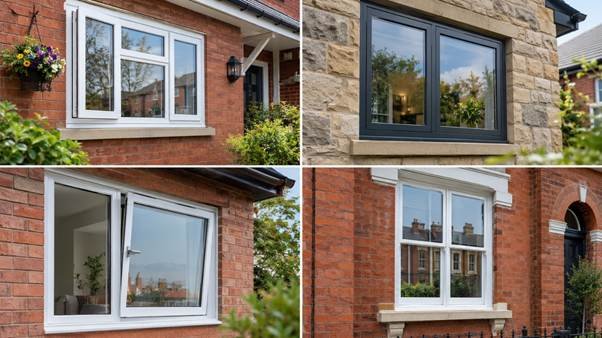
Choosing new windows is about much more than replacing old glass and frames. The style you choose can change the character of your home, affect how much natural light enters each room, influence ventilation and cleaning, and determine how well the finished installation complements the property’s architecture.
For homeowners in Manchester, there is an especially wide range of properties to consider. Victorian terraces, Edwardian homes, 1930s semi-detached houses, modern developments, apartments and contemporary extensions can all benefit from uPVC windows, but the best style will not necessarily be the same for every property.
This guide compares the most popular uPVC window styles, including casement, flush casement, tilt and turn, sliding sash, joined frames and shaped openings. It also explains which options may work best with different Manchester property styles.
1. uPVC Casement Windows
Casement windows are one of the most versatile and widely used window styles in British homes. They usually feature side-hinged opening sashes, although top-hung configurations are also available.
The straightforward design makes casements suitable for a wide range of properties. They can be configured with opening sashes, fixed panes, glazing bars and different combinations of sections to suit the size and proportions of an existing opening.
Why choose casement windows?
- Versatile design suitable for many property types
- Good ventilation when opened
- Available in numerous colours and finishes
- Can be manufactured in different configurations
- Suitable for both modern and traditional homes
- Generally a practical option for replacement projects
For a typical Manchester 1930s semi-detached house, standard casements can provide a clean, balanced appearance without making the property look excessively modern.
They can also work well on newer homes where homeowners want a simple, contemporary appearance.
Casements are particularly useful where practicality is the main priority. However, if your property has strong period features, another style may provide a closer visual match.
2. uPVC Flush Casement Windows
Flush casement windows are designed so that the opening sash sits level with the outer frame when closed. Instead of having a noticeable projecting sash, the exterior has a flatter and more uniform appearance.
This gives flush casements a traditional timber-window character while retaining the low-maintenance qualities associated with modern uPVC.
They can be particularly attractive on properties where the appearance of the window is just as important as its practical performance.
Which Manchester homes suit flush casements?
Flush casements may be a good choice for:
- Victorian-style properties
- Edwardian houses
- Traditional cottages
- Period-inspired new builds
- Character properties
- Homes where a timber-style appearance is desired
Manchester has many areas where architectural proportions and original window designs contribute strongly to the character of a street. Manchester City Council guidance for some conservation areas emphasises retaining original window patterns and proportions, so homeowners should always check local requirements before selecting replacement windows. (Manchester City Council)
A flush casement can therefore be an appealing compromise when you want a traditional appearance but prefer modern uPVC.
3. uPVC Tilt and Turn Windows
Tilt and turn windows operate in two different ways.
The first position allows the top of the window to tilt inwards. This creates ventilation without fully opening the window. The second position allows the entire sash to turn inwards.
This dual-opening system can be particularly useful in apartments, upper-floor rooms and properties where cleaning the outside of the glass from inside the building is important.
Advantages of tilt and turn windows
Tilt and turn windows can offer:
- Flexible ventilation
- Easy access for cleaning
- A modern appearance
- Useful inward-opening operation
- A practical option for upper floors
They can suit contemporary Manchester homes particularly well, including apartments, townhouses and modern extensions.
However, because the sash opens into the room, you need to consider the position of curtains, blinds, furniture and other internal features.
Tilt and turn windows can also look quite different from traditional British casements. For a period property where maintaining an authentic external appearance is important, a flush casement or sliding sash may be more appropriate.
4. uPVC Sliding Sash Windows
Sliding sash windows are strongly associated with traditional British architecture. The sashes move vertically rather than opening outwards.
Modern uPVC sliding sash windows are designed to recreate the appearance of traditional timber sash windows while providing modern glazing and low-maintenance frames.
They are particularly relevant to Manchester because many Victorian and Edwardian properties originally featured vertically proportioned sash windows. Manchester City Council’s conservation-area guidance notes that Victorian and Georgian buildings commonly feature vertically proportioned windows, with sliding sash windows forming an important part of their architectural character. (Manchester City Council)
Which properties suit sliding sash windows?
They can be particularly suitable for:
- Victorian terraces
- Edwardian properties
- Georgian-style homes
- Traditional townhouses
- Period properties with existing sash openings
Replacing an original sash opening with a conventional casement can sometimes change the visual proportions of the elevation. A correctly proportioned sliding sash can maintain a more traditional appearance.
For homeowners restoring a period Manchester property, sash windows should therefore be considered early in the design process.
5. Joined uPVC Window Frames
Not every window opening needs to be treated as one simple rectangular unit.
Joined frames allow multiple window sections to be combined into one larger arrangement. This can be useful for wide openings, bays and elevations containing several individual windows.
For example, a large opening could combine fixed sections with opening casements. A bay may use several windows joined together to follow the shape of the existing structure.
Why are joined frames useful?
They can help to:
- Make better use of large openings
- Combine fixed and opening sections
- Create balanced elevations
- Reproduce existing window layouts
- Provide ventilation where it is needed without making every section open
This is particularly useful when replacing windows in older Manchester homes where the original elevation has several sections or a bay arrangement.
The key consideration is proportion. A large window does not necessarily look better simply because it has more glass. The position of opening lights, mullions, glazing bars and fixed sections should work with the architecture of the building.
6. Shaped uPVC Window Openings
Standard rectangular windows are not suitable for every property.
Shaped windows can be manufactured for openings that include architectural curves, arches, angles or other non-standard shapes. These can be used as individual windows or incorporated into a larger joined arrangement.
Examples include:
- Arched windows
- Round or circular windows
- Triangular windows
- Angled windows
- Curved or specially shaped openings
Shaped windows can be particularly useful when replacing an existing architectural feature rather than altering the building to accommodate a standard window.
They may also be appropriate for extensions and modern homes where unusual glazing forms part of the architectural design.
Because these windows are more complex, accurate measurements are especially important. The final shape, frame arrangement, opening configuration and glazing specification should be confirmed as part of the survey.
Which uPVC Window Style Suits Your Manchester Home?
There is no single “best” uPVC window style. The right choice depends on the property’s architecture, the existing opening, how you use the room and the appearance you want to achieve.
Victorian terraced homes
Sliding sash windows are often the natural choice where the original windows were vertically sliding sashes. Flush casements may also work where the existing architecture allows for a different configuration.
Edwardian properties
Edwardian homes often benefit from traditional proportions and carefully designed window layouts. Sliding sash or flush casement windows may complement these properties particularly well.
1930s semi-detached homes
Standard casements are a practical and versatile option for many 1930s houses. Joined frames can also be useful for bay windows or larger front elevations.
Modern homes
Casement and tilt and turn windows can both work well in contemporary properties. Tilt and turn is particularly useful where inward opening and easy cleaning are priorities.
Apartments
Tilt and turn windows can be particularly practical where external access is difficult and the ability to clean the outside of the glass from inside is valuable.
Cottages and character properties
Flush casements can provide a more traditional appearance, particularly when combined with suitable colours, glazing bars and hardware.
Homes with unusual openings
Shaped windows and joined frames allow the window design to follow the architecture rather than forcing the building to accommodate a standard rectangular unit.
Think About More Than Just the Window Style
The window style is only one part of the final specification.
You should also consider:
Colour
White remains a popular choice, but modern uPVC windows are available in a wide range of colours and woodgrain finishes. The right colour can either blend into the property or create a stronger contemporary contrast.
Glazing
Double or triple glazing may be available depending on the chosen system and project requirements. Your installer can advise on the appropriate glass specification for the property.
Opening configuration
Two windows that look similar from outside can operate very differently. Think about where you want ventilation and whether furniture, curtains or external paths could affect the opening.
Glazing bars
Glazing bars can help traditional windows look more appropriate on period properties, while larger uninterrupted panes may be better suited to contemporary architecture.
Security and hardware
Handles, locks and other hardware contribute to both everyday usability and the finished appearance of the window.
Use a Window and Door Designer Before You Decide
If you are still comparing styles, it can be useful to experiment with different window configurations before making a decision.
You can explore potential designs using the window and door designer and consider different arrangements before discussing the final specification.
Remember that an online design is a useful starting point rather than a substitute for a professional survey.
Why the Survey Matters
Every property is different. Existing openings may not be perfectly square, walls may vary in thickness, and previous replacement windows may have altered the original configuration.
A professional survey should confirm the actual measurements, opening requirements, frame configuration, glazing specification and any installation considerations.
For period properties, conservation areas or properties with unusual architectural features, it is also important to establish whether additional planning or conservation requirements apply.
The final window specification, measurements, opening configuration and installation requirements should always be confirmed following a professional survey.
uPVC Window Style Checklist
Before choosing your windows, work through this checklist:
- What architectural style is my property?
- What type of windows are currently installed?
- Do I want a traditional or contemporary appearance?
- Would standard casements suit the property?
- Would flush casements provide a better match?
- Are existing windows sliding sashes?
- Would tilt and turn improve ventilation or cleaning?
- Do I need joined frames for a bay or wide opening?
- Are any openings arched, curved or unusually shaped?
- Which frame colour will suit the brickwork or render?
- Do I want glazing bars?
- Where should the opening sashes be positioned?
- Will inward or outward opening affect furniture or access?
- What glazing specification is appropriate?
- Does the property have any conservation or planning considerations?
- Has the final design been checked during a professional survey?
Frequently Asked Questions
What is the most versatile uPVC window style?
Casement windows are generally the most versatile because they can be configured in many different sizes and opening arrangements and suit a wide variety of property types.
Are flush casement windows suitable for period homes?
Yes. Their flush external appearance can provide a more traditional timber-style look than a standard projecting casement. However, the appropriate design depends on the original architecture and any local planning or conservation requirements.
Are sliding sash windows suitable for Victorian houses?
They can be an excellent choice, particularly where the original property had vertically sliding sash windows. Matching the proportions and layout of the original openings can help preserve the property’s character.
Are tilt and turn windows suitable for upper floors?
They can be particularly useful on upper floors because the inward-opening design can make cleaning the external glass easier. The exact suitability depends on the room layout and the window’s intended use.
Can uPVC windows be made in unusual shapes?
Yes, specialist uPVC systems can be manufactured for a range of shaped openings, including arches and other non-standard designs. The precise options depend on the window system and the opening.
Can different window styles be combined?
Yes. A project can potentially combine different styles depending on the property. For example, a homeowner might choose sliding sash windows for the front elevation while using casements or tilt and turn windows in a modern extension.
Which uPVC windows are best for a Manchester home?
There is no universal answer. A Victorian terrace may benefit from sliding sash windows, while a 1930s semi may suit casements and a modern apartment may benefit from tilt and turn windows. The best choice is the one that balances appearance, functionality and the requirements of the individual property.
Final Thoughts
Choosing uPVC windows for a Manchester home should not simply come down to selecting the cheapest or most popular style.
Casements offer versatility. Flush casements provide a more traditional, refined appearance. Tilt and turn windows offer flexible ventilation and convenient cleaning. Sliding sash windows can complement Victorian and Edwardian architecture, while joined frames and shaped openings provide solutions for larger or more unusual designs.
The most successful window replacement projects consider the whole property: its age, architecture, proportions, existing openings, room layout and the homeowner’s practical requirements.
Start by identifying the style that best suits your home, explore possible configurations, and then have the proposed design checked during a professional survey.
That final survey is important because the appearance you choose online must ultimately work with the actual building, measurements and installation requirements.