
How to Choose a Composite Door for a Manchester Home
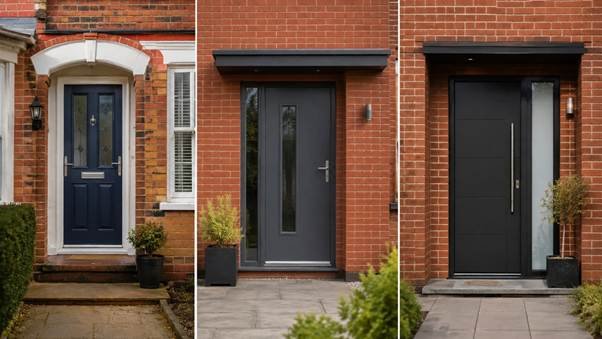
Choosing a new front door is an important decision for any homeowner. Your door needs to look right on the property, provide a suitable level of security and cope with the changing weather conditions that homes in Manchester experience throughout the year.
With so many styles, colours, glazing options, handles and locking systems available, it can be difficult to know where to start. If you are searching for composite doors Manchester, it helps to compare the complete door rather than choosing based on appearance alone.
This guide explains the main features to consider before ordering a composite door for your Manchester home.
1. Start With the Door Construction
The construction of a composite door is one of the first things you should investigate.
Unlike a simple single-material door, a composite door is made using a combination of materials. The exact construction can vary between manufacturers and door systems, so homeowners should ask what materials and components are being used.
When comparing doors, consider:
- The overall construction of the door leaf.
- The materials used in the core and outer surfaces.
- The thickness and structure of the door.
- The quality of the frame and associated components.
- How the door system is designed to work as a complete unit.
It is also worth asking the installer for information about the particular door system being offered rather than relying on general statements about composite doors.
For a Manchester property, the door should be suitable for everyday use and the local environment. A good comparison looks at the complete specification rather than simply choosing the cheapest or most attractive option.
2. Choose a Design That Suits Your Home
Your front door is one of the first things people notice when they approach your property. The design should complement the style of your home rather than looking like an afterthought.
Manchester has a mixture of Victorian terraces, traditional brick houses, semi-detached properties, modern developments and contemporary homes. This means there is no single door style that suits every property.
Think about:
- Traditional or contemporary styling.
- Panel arrangements.
- Decorative details.
- Glazing layouts.
- Door furniture.
- The colour of the door and frame.
- Whether the design complements your existing windows.
A simple panelled door may suit a traditional terraced house, while a cleaner, more minimalist design could work well on a modern property.
If you live in a conservation area or a property with particular planning considerations, check whether any restrictions apply before choosing your final design.
3. Compare Colours Carefully
Composite doors are available in a wide range of colours and finishes, but choosing a colour should involve more than picking your favourite shade.
Look at your existing brickwork, windows, roof, walls and other exterior details. A door should generally work with the colours already present on the property.
Popular design directions include:
- Classic neutral colours.
- Dark contemporary shades.
- Traditional wood-inspired finishes.
- Brighter colours for a stronger focal point.
Remember that colour samples can look different from a finished door, particularly under different lighting conditions. If possible, view physical samples before making your final decision.
For homeowners replacing an existing door, consider whether the new colour will also work with your windows. A coordinated exterior can create a much more consistent appearance.
4. Decide How Much Glazing You Want
Glazing can significantly change the appearance and character of a composite door.
Some homeowners prefer a solid door with little or no glazing, while others want glass to introduce natural light into the entrance area.
When comparing glazing, consider:
- How much natural light you want.
- Your preferred level of privacy.
- The position and size of the glazed sections.
- The decorative appearance of the glass.
- The suitability of the glazing for the door system.
Privacy is particularly important for front doors. If your entrance faces a pavement or a busy road, you may prefer obscured or decorative glazing rather than clear glass.
Also consider how the glazing works with the overall design. Glass should complement the door rather than making the entrance look visually unbalanced.
5. Select Handles That Work With the Design
Handles are a relatively small part of the door, but they can have a noticeable effect on its appearance.
Choose door furniture that matches the style of your property and the rest of your exterior.
For example, a traditional home may suit more classic-looking hardware, while a contemporary property could benefit from simpler, modern designs.
Think about:
- Handle style.
- Finish.
- Comfort when operating the door.
- Compatibility with the locking system.
- How the hardware works with the chosen door design.
It is sensible to ask the installer which handle options are compatible with the specific door system you are considering.
6. Pay Close Attention to the Locks
Security should be one of the most important considerations when choosing a new front door.
Rather than simply asking whether a door is “secure”, homeowners should find out exactly what locking system is supplied and what security features are included.
Ask questions such as:
- What type of lock is fitted?
- How does the locking mechanism operate?
- What security standard does the complete door set meet, if applicable?
- Is the lock suitable for the way you use the property?
- What happens if a key is lost or the lock needs replacing?
Security is not determined by the lock alone. The door, frame, hinges, glazing, cylinder and installation all form part of the overall entrance system.
7. Don’t Forget the Threshold
The threshold is the part at the bottom of the doorway that the door closes against.
It may not be the most exciting feature, but it can affect everyday usability and the finished appearance of the entrance.
When choosing a door, consider:
- The height of the threshold.
- Accessibility requirements.
- How it works with your existing floor level.
- Water management around the entrance.
- Whether any adjustments are required during installation.
This is especially worth discussing before ordering if anyone in the household has mobility requirements or if the entrance has unusual levels.
8. Check the Security Requirements for Your Home
Every property has different security requirements.
A homeowner living on a busy Manchester road may have different priorities from someone in a quiet residential area. Likewise, a front entrance that is visible from the street may require a different approach from a less exposed entrance.
Consider the complete door installation, including:
- The locking mechanism.
- Door construction.
- Frame.
- Hinges.
- Glazing.
- Cylinder and hardware.
- Installation quality.
Do not rely on a general security statement without checking what applies to the exact door configuration you are buying.
If security certification or a recognised standard is important to you, ask for the relevant documentation before placing your order.
9. Installation Matters as Much as the Door
Even a well-specified door needs to be installed correctly.
The installer should assess the existing opening and make sure the new door and frame are correctly fitted, aligned and sealed.
Before installation, ask about:
- Measuring the existing opening.
- Removal of the old door.
- Preparation of the opening.
- Fitting and alignment.
- Sealing around the frame.
- Operation and adjustment after installation.
- What is included in the installation service.
For Manchester homeowners, choosing an experienced local company can make communication easier if you have questions before or after the installation.
Composite doors from Trafford Windows Manchester Ltd can be considered as part of your research when comparing your options.
10. Think About Maintenance Before You Buy
One advantage of choosing a modern entrance door is that routine maintenance should be straightforward, but homeowners should still understand what their chosen system requires.
Basic care can include:
- Cleaning the door surface according to the manufacturer’s guidance.
- Keeping hardware clean.
- Checking that the door operates smoothly.
- Avoiding harsh cleaning products unless approved for the finish.
- Reporting damaged or faulty components promptly.
- Following the manufacturer’s maintenance instructions.
Do not assume every finish or component can be treated in exactly the same way. Ask for the manufacturer’s care instructions for your specific door.
Composite Door Buying Checklist
Before ordering your new door, work through this checklist:
- Have I compared the construction of different door systems?
- Does the design suit my Manchester property?
- Have I chosen a colour that works with my existing exterior?
- Have I considered privacy and natural light when selecting glazing?
- Have I compared compatible handles?
- Do I understand the locking system?
- Have I discussed the threshold and accessibility?
- Have I checked the security requirements for my property?
- Will the door be professionally measured and installed?
- Do I know how to maintain the finished door?
- Have I checked the manufacturer’s specifications?
- Have I received enough information to compare different quotations fairly?
Frequently Asked Questions
Are composite doors suitable for Manchester homes?
Composite doors can be an option for many types of Manchester property. However, suitability depends on the specific door system, property and installation requirements. Compare the construction, specification and installation rather than assuming every composite door is identical.
What colour composite door should I choose?
Choose a colour that complements your home’s brickwork, windows and other exterior features. If you are unsure, obtain physical colour samples and view them outside before making your final decision.
Is glazing necessary in a composite door?
No. Glazing is a design and practical choice. It can bring additional light into an entrance, while privacy glass or a more limited glazed area can help maintain privacy.
What should I ask about door security?
Ask about the complete door set, including the lock, cylinder, frame, hinges, glazing and relevant security standards or certifications. A door’s security should not be judged by the lock alone.
How important is professional installation?
Installation is extremely important because the door and frame need to be correctly measured, fitted, aligned and sealed. Ask exactly what the installation service includes before ordering.
How often does a composite door need maintenance?
Maintenance requirements depend on the particular door system and its components. Follow the manufacturer’s cleaning and maintenance instructions and deal with problems such as faulty hardware or poor operation promptly.
Final Thoughts
Choosing a composite door for a Manchester home is about finding the right balance between appearance, practical requirements, security and installation.
Rather than choosing a door based solely on colour or price, compare the construction, design, glazing, handles, locks, threshold, security features, installation and maintenance requirements.
Take time to understand the specification of the exact door you are considering and ask questions before ordering. With careful comparison, you can choose an entrance door that suits the character of your Manchester home while meeting your household’s practical needs.