
uPVC Window Styles for Manchester Homes: A Complete Guide
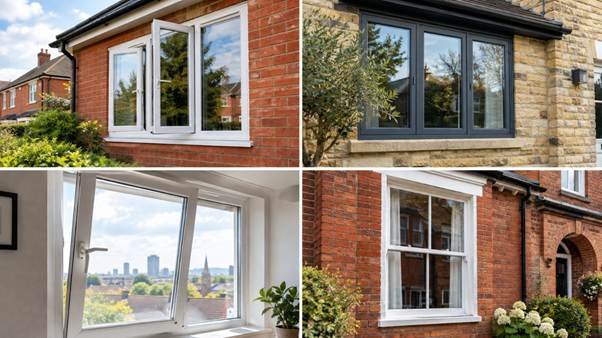
Choosing new uPVC windows for a Manchester home is about much more than replacing old frames with something more energy efficient. The style, proportions, opening configuration and detailing can have a major effect on how your property looks from the street and how well the windows suit its architecture.
Manchester has a particularly varied housing stock. You can find Victorian terraces, Edwardian properties, traditional semi-detached homes, modern developments, cottages and contemporary extensions across the city and surrounding areas. That means there is no single uPVC window style that is right for every property.
The best choice should balance appearance, ventilation, security, practicality and the character of the building.
For homeowners planning a replacement project, it can also be useful to experiment with different configurations before making a decision. Trafford Windows’ window and door designer can help you explore possible designs.
Below is a guide to six popular uPVC window styles and where each may work particularly well.
1. uPVC Casement Windows
Casement windows are one of the most familiar window styles in British homes. They generally feature one or more opening sashes hinged at the side, allowing the window to open outwards.
Their simple design makes them highly versatile.
Why choose casement windows?
Casements can provide:
- Good ventilation
- Straightforward operation
- A clean appearance
- Flexible combinations of fixed and opening sections
- A practical solution for many replacement projects
They can work particularly well on modern houses, post-war properties and many standard semi-detached homes.
For example, a typical 20th-century Manchester semi-detached house may suit a simple casement arrangement with two or three sections across the opening.
Casement windows can also be configured with different glazing layouts, colours and hardware, allowing the overall appearance to be adapted to the property.
Best suited to
Good option for:
- Modern homes
- 20th-century semis
- Detached houses
- New-build properties
- Extensions
For homeowners looking for a practical all-rounder, casements are often a sensible starting point.
2. Flush Casement Windows
Flush casement windows have become increasingly popular among homeowners who want the benefits of uPVC while achieving a more traditional appearance.
The opening sash sits flush within the frame rather than projecting noticeably from it when closed. This produces a cleaner, more streamlined external appearance.
Why are flush casements popular?
Traditional-looking detailing can be particularly important when replacing windows on older houses.
A standard modern casement can sometimes look visually heavier than the original windows of a period property. Flush casements can provide a more understated appearance.
They may suit:
- Victorian-inspired homes
- Edwardian properties
- Traditional terraces
- Character properties
- Homes where a heritage-style appearance is desired
Manchester contains many older properties where the relationship between the window opening, brickwork and proportions is important. In conservation areas, local guidance can be particularly relevant. For example, Manchester City Council guidance for several conservation areas emphasises retaining original window patterns, proportions and relationships with the building. (Manchester City Council)
Best suited to
Consider flush casements for:
- Victorian terraces
- Edwardian houses
- Traditional brick properties
- Period-style new builds
- Homeowners wanting a more heritage-inspired look
However, the exact specification should always be considered alongside the existing building.
3. Tilt and Turn Windows
Tilt and turn windows offer two opening functions.
The sash can usually tilt inwards from the top for ventilation or turn inwards to provide a larger opening.
This makes them particularly useful where ventilation and ease of cleaning are priorities.
Why choose tilt and turn?
One major advantage is flexibility.
The tilt position can provide ventilation without fully opening the window, while the turn function creates a larger opening when required.
They can therefore be attractive for:
- Upper-floor windows
- Modern homes
- Apartments
- Contemporary extensions
- Areas where easy internal cleaning is important
Their appearance is generally more contemporary than a traditional sash or heritage-style casement.
For that reason, tilt and turn windows can work particularly well where the property has modern architecture or a contemporary extension.
Best suited to
Good option for:
- Contemporary houses
- Modern extensions
- Apartments
- Upper floors
- Homes where internal cleaning is important
They may be less appropriate where the objective is to replicate a traditional Victorian or Edwardian window arrangement.
4. uPVC Sliding Sash Windows
Sliding sash windows have a strong connection with traditional British architecture.
Instead of opening outwards like a casement, the sashes slide vertically.
This makes them particularly attractive for period properties where maintaining the original character is important.
Manchester has numerous areas containing Victorian and Edwardian architecture where vertically proportioned sliding-sash windows form an important part of the streetscape. Manchester City Council describes sliding sash windows as a characteristic feature in several conservation areas. (Manchester City Council)
Why choose sliding sash windows?
Their main attraction is appearance.
A well-designed sash window can complement:
- Victorian terraces
- Edwardian houses
- Georgian-style properties
- Traditional townhouses
- Period renovations
The vertical proportions can help preserve the visual rhythm of an older façade.
This is especially important where neighbouring properties have retained similar window designs.
Best suited to
Consider sliding sash windows for:
- Victorian terraces
- Edwardian properties
- Traditional townhouses
- Period-style homes
- Properties where vertical proportions are important
However, don’t assume that every older Manchester house requires sash windows. The original architecture and existing openings should be assessed first.
5. Joined Frames
Joined frames are useful when a window opening needs to accommodate several individual window sections while maintaining a coordinated overall design.
Instead of treating every window independently, several units can be combined to create a larger arrangement.
For example, a wider opening might contain:
fixed pane + opening casement + fixed pane
or a combination of several opening sections.
Why use joined frames?
They can be useful when replacing larger or more complex existing arrangements.
Joined frames can help maintain visual consistency across:
- Large front elevations
- Bay windows
- Wide openings
- Multiple-window arrangements
- Extensions
They are particularly useful where the existing building has a distinctive window arrangement that needs to be recreated with modern units.
Best suited to
Potentially suitable for:
- Bay windows
- Wide openings
- Larger period properties
- Extensions
- Homes requiring multiple connected window sections
The exact joining method and structural requirements need to be considered during the survey.
6. Shaped Openings
Not every window opening is a simple rectangle.
Some Manchester properties contain arches, angled openings, bays or other unusual architectural features.
Shaped windows can be designed to follow the form of the opening, helping the replacement window integrate with the existing architecture.
Examples can include:
- Arched tops
- Circular or curved features
- Angled windows
- Bay configurations
- Unusual architectural openings
Why choose a shaped window?
A standard rectangular unit inserted into an unusual opening can sometimes make the architecture look compromised.
A properly designed shaped window can instead make the feature part of the overall design.
These windows are particularly relevant for period properties, feature elevations and architecturally distinctive homes.
However, shaped windows are more dependent on accurate measurements and manufacturing specifications than standard rectangular units.
Which uPVC Window Style Is Right for Your Manchester Home?
There is no universal answer. The property itself should lead the decision.
| Property style | Window styles worth considering |
| Victorian terrace | Flush casement, sliding sash |
| Edwardian property | Flush casement, sliding sash |
| Traditional semi-detached | Casement, flush casement |
| Modern detached home | Casement, tilt and turn |
| Contemporary extension | Casement, tilt and turn |
| Period feature property | Sliding sash, flush casement, shaped openings |
| Large/wide openings | Joined frames, casement combinations |
| Unusual architectural openings | Shaped windows |
These are starting points rather than fixed rules.
Manchester’s architectural character varies significantly from one neighbourhood to another. Conservation-area guidance can also place greater emphasis on retaining existing window patterns, proportions and materials. (Manchester City Council)
Think About More Than Appearance
When choosing your windows, consider four key areas.
1. Style
Ask whether the window complements the house rather than simply looking attractive on its own.
2. Opening method
Think about how you use each room. Do you want maximum ventilation? Easy cleaning? A simple opening mechanism?
3. Proportion
The size and shape of the glazing sections can be just as important as the frame itself.
4. Colour and finish
White remains a popular choice, but modern uPVC windows are available in a variety of finishes. The right colour can make a substantial difference to the overall appearance.
Use a Window Designer Before You Decide
If you’re unsure how different configurations might look, visualising the options can make the process easier.
The Trafford Windows window and door designer can be used to explore design possibilities before discussing the final specification.
This can be particularly helpful when comparing:
- Casement versus flush casement
- Different frame colours
- Different opening arrangements
- Traditional versus contemporary designs
- Different window and door combinations
The visual design is only one stage of the process. The final specification should always be confirmed following a professional survey, including measurements, opening requirements, structural considerations and any relevant planning or building requirements.
Manchester uPVC Window Checklist
Before ordering replacement windows, work through this checklist:
- What architectural style is my property?
- What type of windows are currently installed?
- Do I want a traditional or contemporary appearance?
- Would casement windows suit the property?
- Would flush casements provide a better period appearance?
- Would sliding sash windows better match the existing architecture?
- Would tilt and turn windows be useful for ventilation or cleaning?
- Are any openings unusually wide or shaped?
- Do I need joined frames?
- What colour and finish should I choose?
- Do the windows need to match existing doors?
- Is the property within a conservation area?
- Could planning permission or other approval be relevant?
- Has the property been professionally surveyed?
- Has the final specification been confirmed?
Frequently Asked Questions
Are uPVC windows suitable for older Manchester houses?
They can be, but the design matters. A flush casement or sliding-sash-style window may provide a more sympathetic appearance than a highly contemporary configuration. Older properties should be assessed individually.
Are flush casements more traditional-looking than standard casements?
Generally, yes. Their flush external appearance can create a cleaner, more understated look that is often associated with traditional window designs.
Are sliding sash windows only suitable for Victorian houses?
No. They can work with a range of traditional architectural styles. The key consideration is whether the proportions and design complement the property.
Are tilt and turn windows good for upper floors?
They can be particularly practical for upper-floor rooms because the inward-opening design can make cleaning and ventilation easier.
Can uPVC windows be made for unusual openings?
In many cases, windows can be manufactured in a range of shapes and configurations. However, unusual openings require accurate surveying and careful specification.
Can several uPVC windows be joined together?
Yes, depending on the design and structural requirements. Joined frames can be useful for wider openings, bay arrangements and multiple-window configurations.
Should I choose the same window style throughout my house?
Not necessarily. A property may benefit from different configurations in different locations. For example, a traditional front elevation might favour a heritage-inspired design while a rear extension could use a more contemporary configuration.
What is the most important thing before ordering?
Make sure the final specification is confirmed following a professional survey. The survey should establish the actual dimensions, opening configuration and any site-specific requirements.
Final Thoughts
The best uPVC window for a Manchester home is not necessarily the newest or most modern-looking option. It is the one that balances the character of the property, the appearance you want, everyday practicality and the requirements of the building.
Casements provide an adaptable all-round solution. Flush casements can give traditional properties a more refined appearance. Tilt and turn windows offer flexible ventilation and operation, while sliding sash windows can complement Victorian and Edwardian architecture. Joined frames are useful for larger arrangements, and shaped openings can help preserve distinctive architectural features.
Before committing to a design, compare the available configurations and consider how they will look alongside your brickwork, doors, roofline and neighbouring properties.
For a starting point, explore Trafford Windows’ window and door designer, then discuss your preferred design during the survey.
Remember: the final window specification should always be confirmed by survey.