
Aluminium Doors for Manchester Extensions and Renovations
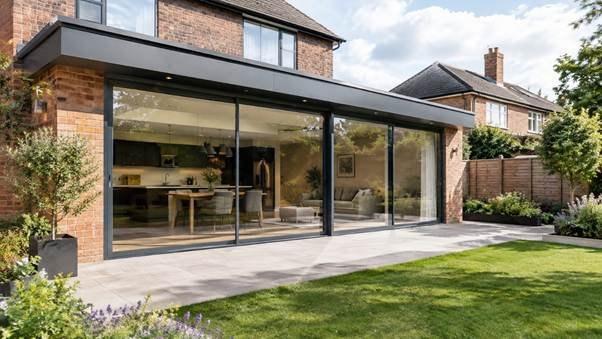
Planning an extension or renovating your home is an opportunity to improve more than just the amount of space available. The right doors can influence how much natural light enters the property, how easily rooms connect with the garden and how the finished extension looks from both inside and outside.
For many Manchester homeowners, aluminium doors may be worth considering when creating larger openings or updating an existing property. They can offer slim sightlines, a contemporary appearance and a range of configurations suitable for different types of renovation.
However, choosing a door should not simply be about appearance. Glazing, thresholds, access requirements, colour, opening sizes, thermal performance and the overall specification all need to be considered before ordering.
This guide explains where aluminium doors may work particularly well in Manchester extensions and renovation projects.
Aluminium Doors for Rear Extensions
Rear extensions are one of the most common ways homeowners add space to a property. Whether you are creating a larger kitchen, dining area or open-plan living space, the connection between the extension and garden can become an important part of the design.
A large glazed opening can help make the new room feel brighter and more connected to the outside.
Aluminium doors may be suitable for this type of application because aluminium can provide strong frames around relatively large areas of glass. Depending on the chosen system and configuration, homeowners may consider sliding doors, bifold doors or other large-format door arrangements.
The best option depends on how you intend to use the room.
For example, a sliding configuration may provide a large glazed area while requiring less space for opening. Bifold doors can create a wider opening when several panels fold to the side, which may be attractive when you want to connect the kitchen or dining area directly with the garden.
Before making a decision, consider where furniture will be positioned, how the doors will open and how much wall space is available.
Aluminium Doors in Kitchen Extensions
The kitchen is often the main living area in a modern extension. It may be used for cooking, dining, entertaining and spending time with family, so access to the garden can be particularly valuable.
Aluminium doors can help create a strong visual connection between a kitchen and outdoor space.
Large glazed panels allow daylight into the room while giving homeowners a clearer view of the garden. During warmer weather, opening the doors can also provide a convenient route between indoor and outdoor areas.
Sightlines are another important consideration.
Modern aluminium systems can be designed with slim frames, depending on the specification selected. This can help maximise the amount of glass within the opening and create a cleaner appearance.
However, homeowners should not choose a door solely because its frame looks slim. The complete specification needs to be considered, including structural requirements, glazing performance, security, thermal performance and installation.
If your extension includes a particularly wide opening, speak to your builder, architect or door supplier early in the project. The structural opening and door specification need to work together.
Garden Rooms and Home Offices
Garden rooms have become increasingly popular as homeowners look for flexible additional space.
A garden room might be used as a home office, gym, hobby room, entertainment space or simply a quiet place to relax.
Aluminium doors can be considered for garden rooms where the homeowner wants plenty of natural light and a modern connection with the garden.
Large glazed doors can make a relatively compact garden building feel more open. Depending on the design, sliding or bifold configurations may provide convenient access to an outside terrace or garden area.
Thermal performance is particularly important for a garden room that will be used throughout the year.
Ask about the complete door specification rather than looking only at the frame material. The glass, frame, seals and installation all contribute to the overall performance of the finished installation.
Renovating Older Manchester Properties
Not every project involves building a brand-new extension.
Manchester has a wide variety of older homes, including terraces, semi-detached properties and larger period houses. Renovating one of these properties can involve replacing existing doors, enlarging an opening or creating a more contemporary connection with the garden.
Aluminium doors may provide an interesting option when modernising an older property.
The key is to make sure the new doors suit the building.
A contemporary aluminium frame can create an attractive contrast against traditional brickwork, stone or rendered walls. Alternatively, choosing an appropriate colour and configuration can help the doors blend more naturally with the existing property.
Before replacing an existing opening with a larger installation, professional advice is important. Removing or altering structural elements can require appropriate structural support, and your builder or structural engineer should establish what is possible before the door is ordered.
Creating Larger Openings
One of the biggest attractions of modern door systems is the ability to create large glazed openings.
A larger opening can transform the way a room feels, particularly where the extension faces a garden.
However, bigger does not automatically mean better.
The size and configuration of the opening should be based on the building, structural design and intended use. A very wide opening may require specific structural support and careful consideration of the door arrangement.
Think about how people will move through the opening.
Will the doors be used several times a day? Do children or older family members need easy access? Will furniture be positioned close to the opening? Do you need a completely open connection between the kitchen and garden?
These questions can influence whether sliding, bifold or another configuration is most appropriate.
Choosing the Right Glazing
Glass is one of the most important parts of a large glazed door installation.
Modern double glazing can provide good levels of thermal performance, but the exact specification matters. Ask your supplier about the glass make-up, U-values, safety requirements and available options.
For large doors, safety glazing may be required in certain locations. Your installer should advise you on the appropriate specification for the installation.
Solar control glass may also be worth considering where large areas of glazing receive significant sunlight. It can help manage solar heat gain, although the suitability depends on the property’s orientation and overall design.
Acoustic performance can also matter, particularly for properties close to busy roads or other sources of external noise.
Sightlines and the Overall Appearance
Sightlines can have a significant effect on how aluminium doors look.
Slimmer frames can provide a greater proportion of glass and may produce a cleaner contemporary appearance. However, sightlines vary between different systems and configurations.
Look at the complete door system rather than relying on marketing photographs.
Consider the width of the frame, meeting stiles, handles, hinges and any other visible components.
The colour also contributes to the finished appearance.
Anthracite grey and other darker finishes are popular for contemporary extensions, while other colours may be available depending on the manufacturer and system. Your choice should work with the property’s brickwork, windows, roofline and other external finishes.
Thresholds and Easy Access
Threshold design is particularly important when doors connect an extension with a garden or patio.
A lower or more level threshold can make moving between indoors and outdoors easier. This may be especially useful for homeowners who want improved accessibility or who regularly move furniture, bicycles, garden equipment or other items through the doors.
However, drainage and weather protection still need to be considered.
A threshold should be specified as part of the complete installation rather than treated as an afterthought. The surrounding floor level, external paving and drainage all need to work with the chosen threshold.
If accessibility is important to you, explain this requirement before the doors are specified.
Colour and Finishing Options
Aluminium doors can offer a wide range of colour and finish options.
Your choice might be influenced by existing windows, roof trims, brickwork and other external features.
A contrasting colour can make the doors a strong architectural feature. A matching colour can create a more consistent appearance across the property.
Think about the interior as well as the exterior.
The door colour can be visible from inside the kitchen or living area, so it should complement your internal finishes, flooring and furniture.
Getting the Specification Right
Before ordering aluminium doors, ask your supplier for a clear specification.
This should cover the door configuration, dimensions, glazing, thermal performance, security features, colour, handles, threshold and installation details.
For larger projects, coordinate the door specification with your architect, builder or structural engineer.
You should also consider Building Regulations and any planning requirements that apply to your particular project. Your installer or project professional can advise you on the requirements relevant to your property.
Most importantly, do not leave door decisions until the last minute.
The opening size, structural support, floor levels and finished external landscaping can all affect the final installation.
Choosing Aluminium Doors for Your Manchester Project
For homeowners planning an extension or renovation, aluminium doors can offer a combination of contemporary styling, large areas of glazing and flexible design possibilities.
They may work particularly well in rear extensions, kitchen extensions, garden rooms and renovation projects where homeowners want to improve the connection between indoor and outdoor spaces.
However, the best door is not necessarily the largest or slimmest option available. The right choice depends on your property, opening size, access requirements, glazing specification, thermal performance and how you plan to use the space.
If you are considering new doors as part of a Manchester extension or renovation, take time to compare the available configurations and discuss the complete specification with an experienced installer.
You can explore Trafford Windows’ range of window and door services here: aluminium doors.
A well-specified door can become an important part of the finished extension — providing natural light, practical access and a strong visual connection with your garden for years to come.